

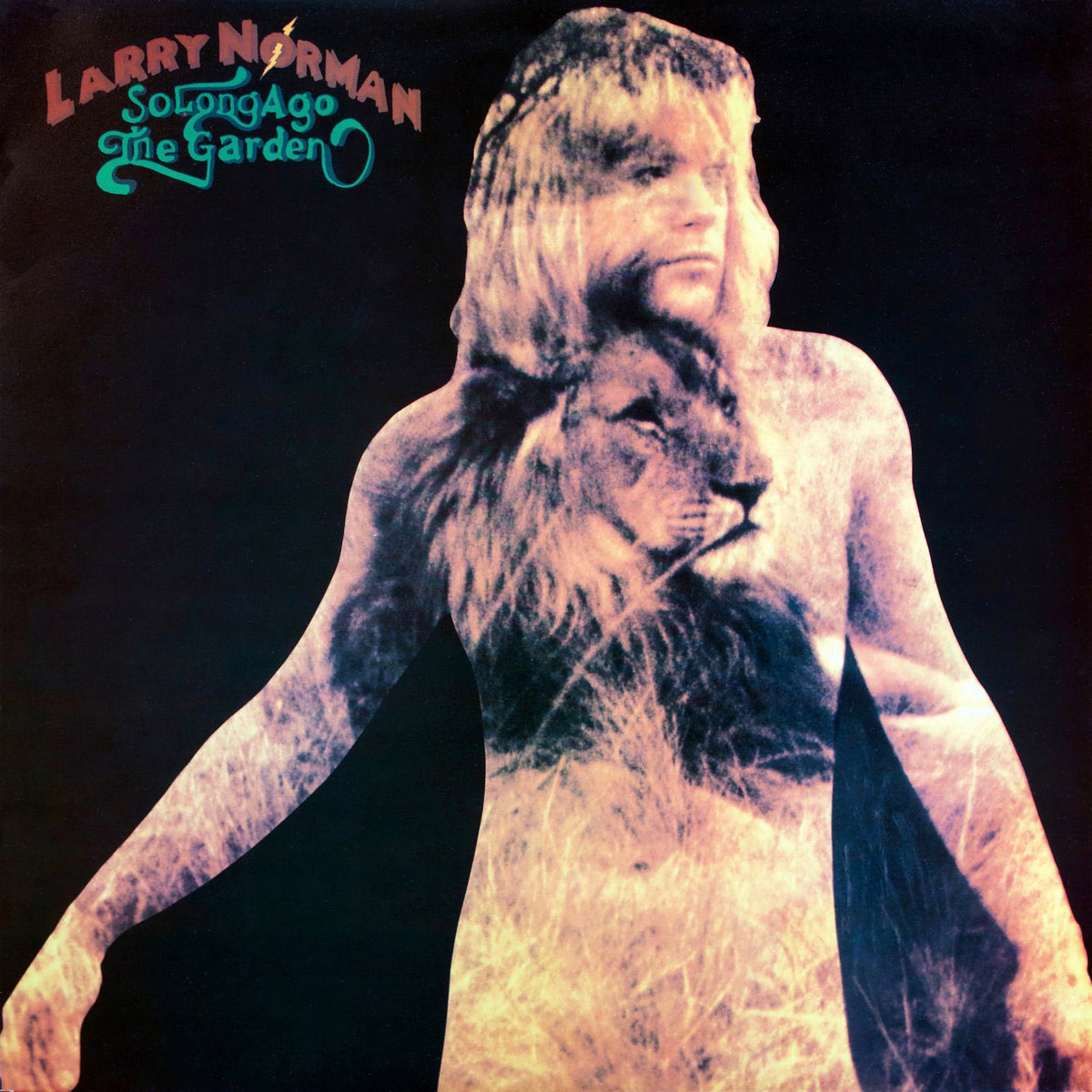
How does one follow up creating one of the greatest albums ever made? That exact question stared Larry Norman in the face after he released Only Visiting This Planet, which widely has been considered — and for good reason — a top album to emerge from Christian music. His answer came in the form of his next album, So Long Ago the Garden, released less than one year after his magnum opus. While multiple track listings exist depending upon the version of the album — along with plenty of songs considered that did not make the final cut, thanks to disagreement between what Norman and the label wanted — this review will focus on the original MGM release with a few comments later on about some songs unique to the Phydeaux release.
The record begins with “Meet Me at the Airport (Fly Fly Fly),” a song that encapsulates much of the feeling that the record brings as a whole. “Meet Me at the Airport” has to be the only song in the world that mentions Minnesota, Galilee, and Switzerland in a matter of two verses, and other lyrics in the song are equally as peculiar as the combination of those three locations: “Fly, fly, fly, my baby gets me high / I spent too much time in taxicabs / Please don’t ask my why (I can’t tell you).” Through all the oddities, the song comes together with the message of a standard love song. Musically, one can easily find themselves humming the track to themselves after it finishes, but it might not be the most exciting or welcome song to bring that fate.
“The Same Old Story” and “Lonely by Myself” follow and share the most interesting musical moments on the album. The former possesses the qualities of a pleasant mid-tempo rock song, while the latter ends with a spectacular guitar solo. Lyrically, they run in the same vein, focusing on the challenges of relationships from a pessimistic perspective, as exemplified through these lines from “Lonely by Myself”: “It’s such a lonely life / I almost cry each night /
/ Oh doesn’t anybody listen? / Doesn’t anybody care?” “Be Careful What You Sign” tells an odd story about a man who finds himself caught up in the lusts that life presents, and later experiences regret in doing so. From a musical standpoint, the track is forgettable. One of the better songs comes next to round out the first half of the record, with a nice play on words and catchy tune, “Baroquen Spirits.”
While the album has weaker tracks than “Christmas Time,” which Norman co-wrote with Randy Stonehill, the festive-themed song comes in as an outlier and could have found a better place on another project more dedicated to Christmas than the start to the second side of this record. The highlight of side two, “She’s a Dancer,” centers around the story of someone dancing in a park and a bystander catching the sight. Norman suggested when discussing this song that he himself was the dancer and lived in the tension when he was younger of wanting to dance in public while wrestling with how other people viewed him for it. The pretty song seems simple but carries great depth when analyzed closely, especially in the context of Norman’s complicated life. “Soul Survivor” and “Nightmare” conclude the album, with the latter offering a lyrically wild ride that works much better and comes more justified than the other places on the album where it occurs. The closer makes many cultural references and laments the brokenness in the world, eventually signing off with the final statement: “We left it oh so long ago the garden.”
As the comments above note, the lyrical content of So Long Ago the Garden differs significantly from its predecessor and comes across predominantly as a secularly focused album. Oddly, Jesus is never mentioned (with one slight exception noted later), though this too may come as a result of differing opinions in the directions MGM and Norman wanted to go with the record.
Apart from a few minor changes to the preexisting songs, such as rerecorded vocals for “The Same Old Story” and a shuffled track order, the Phydeaux release cuts “Soul Survivor” and introduces “Up in Canada” and “Peacepollutionrevolution.” The exchange works as a net positive with the removal of a weaker track like “Soul Survivor” and adding two slightly, albeit not much, better tracks. “Up in Canada” has the feel of a more upbeat “Meet Me at the Airport” and offers its own bizarre lyrics. A song that would work better at a tiki bar than on this album, “Peacepollutionrevolution,” at least carries some biblical themes about the end times and the need for Christ’s return in the midst of its tropically influenced sound.
Returning to the question at the onset, how did Larry Norman follow up one of the greatest albums ever made? He responded with a mixed bag of some musically interesting moments surrounded by less appealing ones. Lyrically, he turned away from Christian themes in favor of relationships and secular life. So Long Ago the Garden is not a complete disappointment, but it fails to deliver in the way Only Visiting This Planet does. While easy to wonder what the album would have looked like if Larry had full say in the track listing, one likely does not need to venture much further into the album as it is than listening to “The Same Old Story,” “Lonely by Myself,” “She’s a Dancer,” and potentially “Baroquen Spirits.”
– Review date: 3/3/26, written by Noah Schmidt of Jesusfreakhideout.com